Babywearing
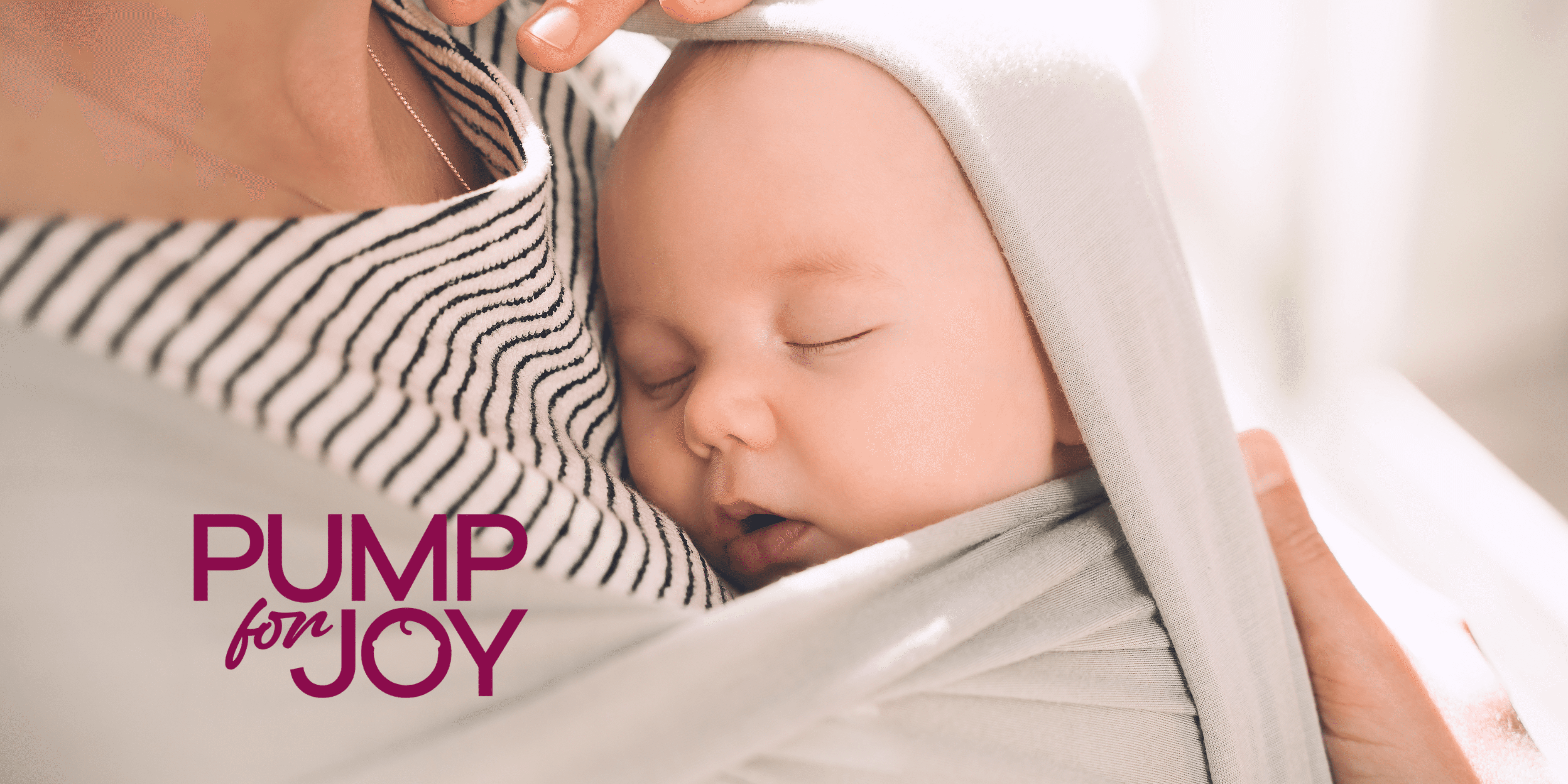
Babywearing is a practice that has been around for years and years, taking a mainstream turn in the 1960s when the Snugli baby carrier was invented. Peace Corps volunteers in Togo, West Africa, were inspired by the way mothers wore their babies, and ever since then, it seems there are a million different options when it comes to which types of carriers to purchase. If you choose to babywear, it is important to practice babywearing safety when carrying. One key safety tip is that babies should always be positioned in a way that they are not breathing in the same air, with the baby's head and face turned to the side. Be cautious of how the baby's legs are positioned, also. The baby’s thighs should spread around your torso with their knees bent slightly higher than their bottom. Always check to see if your carrier is approved by the International Hip Dysplasia Institute. Baby should not face outward until they are 6 months old with strong head and neck control, and structured carriers should only be used for infants over 7 pounds.
Babywearing is an incredible way to multitask. A baby wearer gets to be hands-free, which is one of the many benefits of babywearing. Whether you are cooking dinner, running errands, or double-wearing multiples, babywearing is extremely helpful. Beyond the ultimate convenience of hands-free multitasking, babywearing offers remarkable benefits for infant development, such as promoting language development by allowing the baby to see your facial expressions. It also decreases the risk of SIDS and decreases flathead syndrome, because wearing your baby chest to chest counts as tummy time and promotes strong neck control.
At Pump for Joy, we love how babywearing fosters deep emotional attachment through constant physical closeness, helping your baby feel secure. This practice builds immense trust and lays a beautiful foundation for healthy emotional development. Constant proximity allows your baby to hear your heartbeat and feel your warmth, creating a powerful sense of safety. By having your baby right next to you, you become much more in tune with their subtle movements, sounds, and facial expressions, which makes responsive parenting feel like second nature. This involved caregiving is not just for the birthing parent, either. Partners, grandparents, and other trusted adults can use carriers to build their own strong, lifelong bonds with the newborn.
The physical closeness of babywearing naturally boosts oxytocin, the love hormone, in your body. This hormonal connection triggers a surge of affection for both you and your little one, reducing stress and lowering the risk of postpartum depression. This surge of oxytocin, combined with frequent skin-to-skin contact, actively supports a healthy, long-lasting breastfeeding relationship. The physical closeness stimulates the release of prolactin and oxytocin, helping to trigger milk letdown and maintain your overall milk supply. Because your baby is so close, you can immediately spot early hunger cues like rooting, lip smacking, or restlessness before they escalate into crying. Many wraps and slings can be adjusted to allow you to nurse hands-free or discreetly while out running errands, and research indicates that parents who routinely carry their babies often breastfeed for longer periods overall.
When you start looking at your options, you will find several different types of baby carriers. The sling is a one-shoulder carry great for small babies into toddlerhood. The ring sling is quick and convenient once you get the hang of it. With newborns, a snug front carry is preferred, while a hip carry works better for babies over five months. Toddlers may enjoy the back carry more, which you will probably find much more comfortable for that age. Ring slings are super compact and probably the easiest carrier to toss in the diaper bag.
Wraps come in woven and stretchy varieties. Stretchy wraps like the Moby wrap, Boba, or Baby K'tan are extremely comfortable and feel like a second layer of clothes when worn. People with heavier babies tend to like the structure of woven wraps more. There are tons of ways to wrap, and it can seem intimidating at first, but the learning curve is not high. Once you find your favorite wrap style, it is easy to just stick with that and really enjoy the wrap life. Wraps are similar to a long piece of fabric and tend to be quite long, usually about 18 feet, so it is often easiest to wrap yourself before getting in the car to go somewhere, so that it is ready for the baby upon arrival.
Another option is the Mei Tai. These carriers are made of soft material with a structured back panel. Straps are pulled around the waist and over the shoulder, then tied into a secure knot. They are versatile, can be used with all ages, are convenient, not super bulky, and quite comfortable.
Soft structured carriers, also known as SSCs, have a structured seat, padded shoulder straps, and buckles on the back and waist. They are quick to put on, though they may require an extra set of hands to help buckle or adjust. Excellent options are made by Lillebaby, which offers amazing back support, as well as Ergobaby, Baby Bjorn, and Beco. These carriers typically come with attachments like infant inserts and sunshades.
Finally, the onbuhimo is an Onbu-style carrier meant for infants sitting independently up to toddlerhood. It is extremely easy to put on and does not involve any kind of waistband. It is a Japanese-style carrier with a chest belt that feels similar to a backpack, but it can also be used for front carry. Back carries tend to be more comfortable all around with this style.
If you do choose to babywear, be sure to take your carrier with you on the go, just as you would your car seat and stroller. You never know when it will save the day and bring you and your baby closer together.