Beyond "Breast is Best"
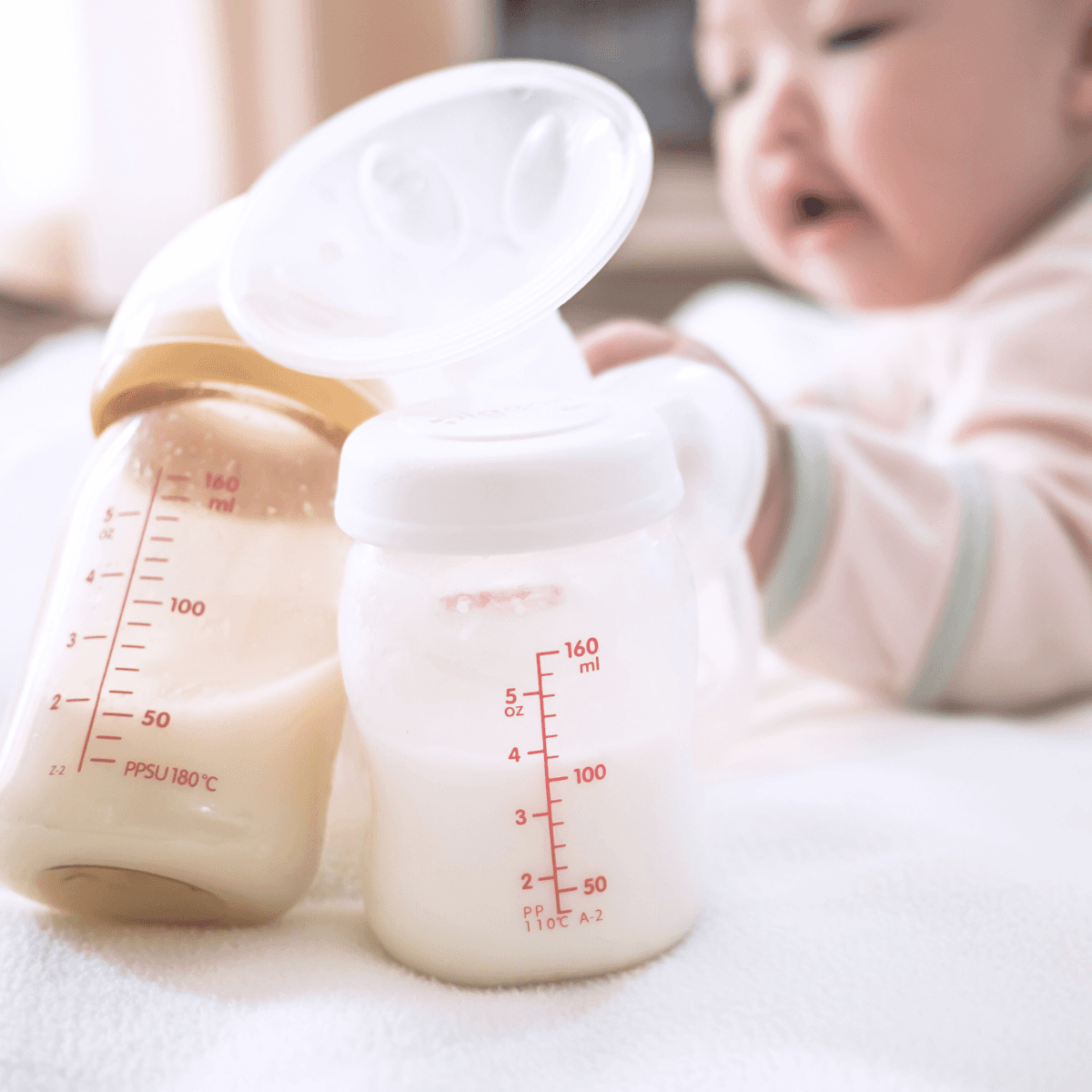
What started as a scientific campaign to promote the research showing that breastmilk is an ideal option for infants has now turned into an intense pressure that leaves parents who cannot or choose not to breastfeed feeling ashamed and inadequate. "Breast is Best" is a notion held by many organizations that parents and providers respect, like the World Health Organization, with the goal of informing expectant parents of the benefits of exclusive breastfeeding. This movement has successfully normalized breastfeeding in public and increased the rates of families attempting to breastfeed, empowering people to pump at work and advocate for their rights. However, while breastmilk supports brain development, eyesight, and immune health, the rigid pressure to adhere to these guidelines can take a significant toll on a parent's mental health.
According to the CDC, while nearly 84% of infants start out being breastfed, that number drops to 25.8% for exclusive breastfeeding by the six-month mark. There are many barriers that impact these rates, including a lack of societal support, workplace obstacles, and physical lactation challenges. While the "Breast is Best" campaign increased education, it did not remove these barriers. It is essential to remember that the American College of Obstetricians and Gynecologists (ACOG) emphasizes that parents have the right to make their own informed choice. When parents feel they have no choice but to breastfeed and then struggle to do so, it can lead to feelings of failure that contribute to Postpartum Depression (PPD) and other Perinatal Mood and Anxiety Disorders (PMADs).
The psychological pressure to breastfeed often begins long before the baby arrives, as parents research the nursing gear. However, the reality of the "triple feeding" marathon—nursing, pumping, and bottle-feeding—can lead to a dangerous cycle of sleep deprivation. This exhaustion is a primary trigger for PMADs. When a parent is "pumping until they drop" to maintain a supply, they are at a much higher risk of falling asleep in unsafe environments, such as a soft couch or armchair, which significantly increases the risk of SIDS and suffocation. Protecting a parent's sleep and mental state is not just a matter of self-care; it is a critical safety measure for the infant.
To maintain a healthy balance between feeding goals and mental well-being, parents should consider the following protective measures:
The Four-Hour Sleep Rule: Coordinate with a partner or support person to get at least one four-hour block of uninterrupted sleep, which is the biological minimum needed to help stave off PMAD symptoms.
Prioritize Safe Pumping Zones: If pumping late at night, do so in a firm chair rather than a soft sofa to avoid accidentally falling into a dangerous sleep position with the baby nearby.
Embrace "Fed is Best": Recognize that a healthy baby requires a healthy parent. If exclusive nursing or pumping is leading to thoughts of despair, exploring formula or donor milk is a valid and safe choice.
Utilize Your Village: Have a partner handle the cleaning and assembly of pump parts so the lactating parent can focus on rest and recovery.
Monitor Mental Health Signs: Watch for feelings of overwhelming sadness, intrusive thoughts, or "postpartum rage" during feeding sessions, and seek help from a PMH-C specialist if these occur.
At the end of the day, you cannot pour from an empty cup. While breastmilk has many benefits, it is not always the ideal choice for every parent’s specific circumstances. We live in a world with many accessible options, from exclusive pumping and donor milk to high-quality formula recipes designed for sensitive stomachs. The most important thing is that your baby is fed and that you are mentally present and healthy. A "fed baby" is a healthy baby, and a supported parent is a safer parent. We should strive to create an inclusive community that offers empathy and understanding for whatever feeding path a family chooses.
At Pump for Joy, our mission is rooted in the belief that the tools you use should empower you, not add to the overwhelming weight of new parenthood. We recognize that the "Breast is Best" narrative, while well-intentioned, has created a culture of "performance" that often leaves parents feeling like they are failing a test they never asked to take. By providing resources that simplify the pumping process, we aim to directly counteract the barriers that lead to burnout and mental health struggles. Our goal is to shift the focus back to what truly matters: a baby who is nourished and a parent who feels capable, rested, and supported.
The relentless pressure to maintain a perfect supply can quickly turn pumping into a source of dread rather than a tool for freedom. This is where the burden becomes heaviest, and where we strive to step in. By streamlining the logistics of milk expression, we want to give you back the time and mental energy stolen by the "triple-feeding" cycle. When you have equipment that works efficiently for your life, you are better able to protect your sleep, reduce your risk of PMADs, and maintain a safer environment for your infant. We believe that easing the physical burden of pumping is a direct investment in your family's overall safety and happiness.
To help ease this burden and prioritize your well-being, we encourage our community to embrace these "Joy-Forward" feeding strategies:
Audit Your Energy: If your current pumping schedule is causing your mental health to decline, give yourself permission to drop a session or incorporate formula. Your sanity is worth more than any specific number of ounces.
Delegate the "Dirty Work": The burden of pumping isn't just the time spent attached to a machine; it’s the cleaning, drying, and assembly. Task your partner or "village" with these chores to protect your rest periods.
Set Realistic Milestones: Instead of aiming for a year of exclusive pumping under high stress, set small, achievable goals. Celebrate every week that your baby is fed and you are feeling mentally grounded.
Optimize for Sleep: Prioritize your "Middle of the Night" (MOTN) strategy. If skipping one session allows you to hit that critical four-hour sleep block, the resulting decrease in cortisol can actually benefit your long-term health and supply.
Ultimately, Pump for Joy is about more than just milk; it’s about the parent behind the pump. We are here to remind you that your value isn't measured in milliliters, but in the love and care you provide for your child. By choosing tools and routines that support your unique journey, you are making the healthiest choice for your entire household. We believe that a "fed baby" is the baseline, but a "supported parent" is the goal.