Mom Guilt and the Mental Load
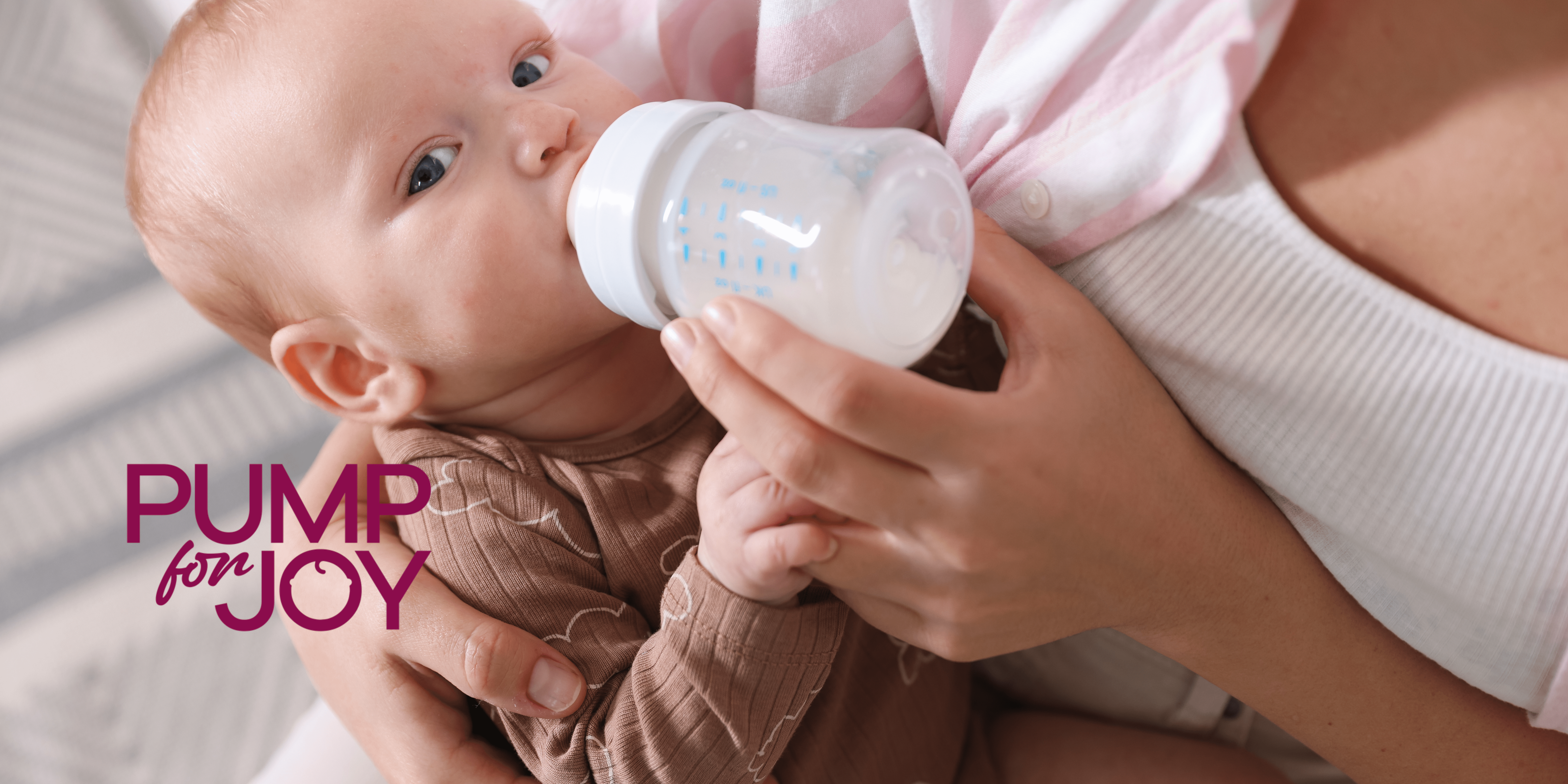
We talk a lot about the logistics of feeding, but we know the heaviest part of your "mental load" isn't the pump parts—it’s the guilt. "Mom guilt" is often treated as an unavoidable tax on motherhood, a persistent emotional undertow that tugs at you no matter how hard you work.
But here’s the truth we stand by: Maternal guilt is not a personal shortcoming. It is a biological instinct that has been hijacked by a culture of perfectionism and a lack of structural support. Our mission to create a disposable pump insert is a direct response to this. We want to remove the physical "dirty work" so you can stop feeling guilty about the time you spend away from your baby—or yourself—scrubbing plastic in the sink.
Biologically, mothers are wired to be attuned to their children’s needs. This evolutionary instinct ensured our survival for millennia. However, in modern society, this "caregiving trigger" has been distorted by the Motherhood Myth—the cultural idea that a "good mother" must be constantly available, endlessly nurturing, and entirely child-focused.
When you inevitably fall short of this impossible, self-sacrificing standard, guilt rushes in. Whether it’s returning to work, using formula, or simply needing 20 minutes of silence, these actions are often labeled as "failures" by our internal critics.
Despite different backgrounds, many parents share the same "guilt triggers" that increase the risk of postpartum anxiety and burnout:
Career vs. Care: Feeling guilty for pursuing a career or, conversely, feeling like you aren’t "present" enough at home.
The Pumping Marathon: Feeling like a failure if you miss a session or if your supply doesn't meet an arbitrary goal.
Convenience Tools: Feeling "lazy" for using products that make life easier (like disposable inserts or screens).
Social Comparison: The "scroll hole" of social media where other parents seem to have it all together.
Persistent guilt isn't just an annoying feeling; it has measurable consequences. Chronic maternal guilt is linked to higher rates of Postpartum Depression (PPD) and lower "parenting self-efficacy"—the belief that you are capable of doing a good job. When you are stuck in a cycle of self-doubt, it becomes harder to form the secure attachments you are so worried about losing.
At Pump for Joy, we believe that mothers do not need to be perfect; they need to be supported. We are developing our disposable pump insert specifically to tackle the "administrative burden" of pumping.
Every minute you spend washing, drying, and obsessing over pump parts is a minute taken away from your recovery, your baby, or your sleep. By simplifying the process, we aim to:
Reduce the "Mental Load": One less thing to clean means one less thing to worry about.
Normalize Convenience: Using tools that save you time is a smart health decision, not a maternal "cheat code."
Promote Self-Compassion: We want to help you shift from "I should be doing more" to "I am using the best tools to care for my family and myself."
True change requires more than just better tools; it requires a shift in how society views caregiving. We need to move toward:
Communal Support: Normalizing the idea that "it takes a village" and that asking for help is a sign of strength.
Policy Change: Advocating for flexible work and paid leave so parents aren't forced into "impossible" choices.
Cognitive Reframing: Replacing the "all-or-nothing" perfectionist mindset with a more balanced, realistic perspective on what a loving home looks like.
Letting go of guilt starts with acknowledging that your worth is not measured in self-sacrifice. By choosing products and routines that prioritize your well-being, you are reclaiming your emotional balance. At Pump for Joy, we are proud to be part of the village that helps you breathe a little easier, one session at a time.