Sleep, Safety, and Stress
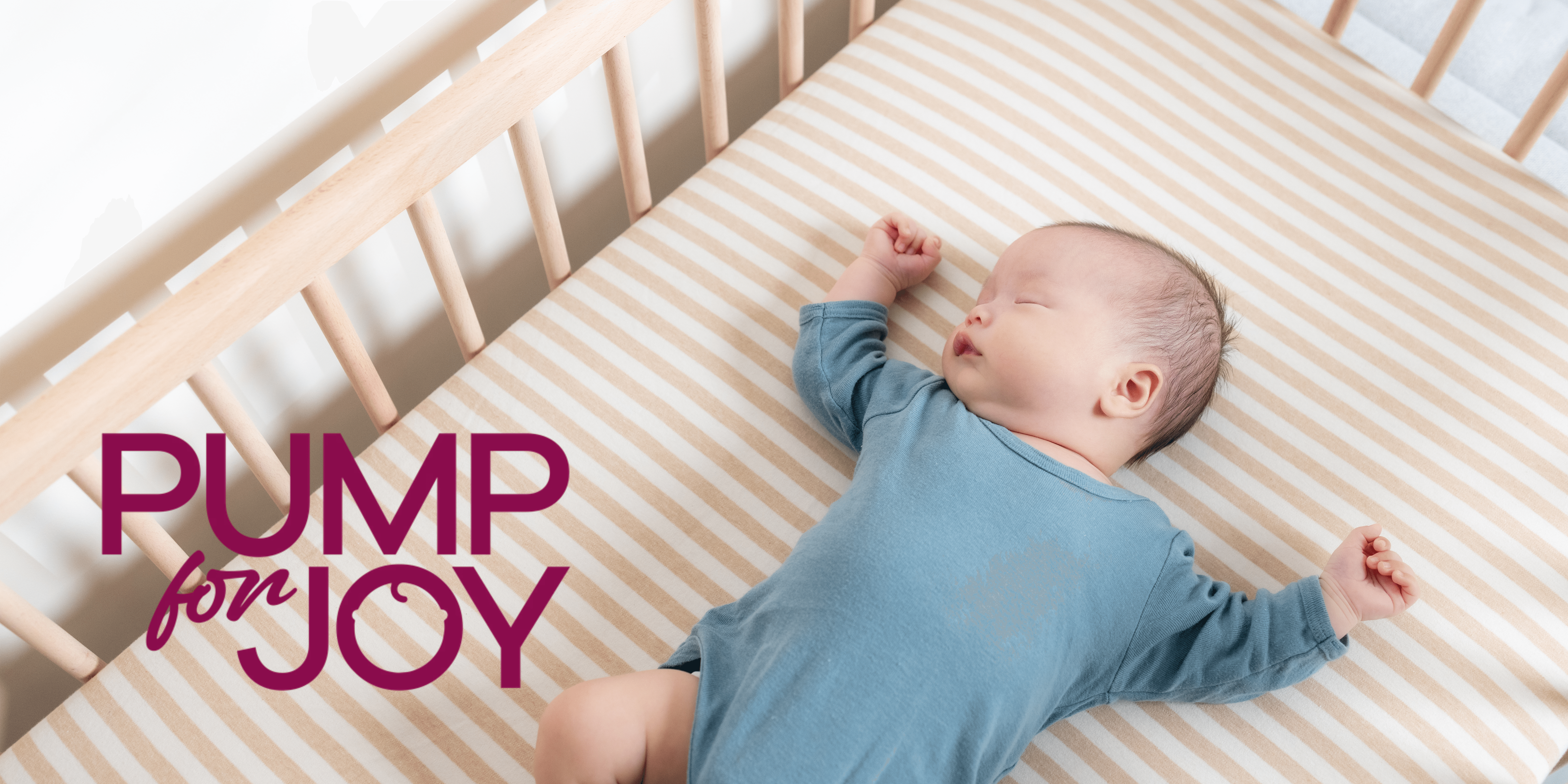
The transition to parenthood can be exhausting, and the "rules" of infant sleep can feel like a daunting list of "don’ts." However, understanding the why behind safe sleep can transform these guidelines from a source of anxiety into a tool for peace of mind. In the U.S., there are approximately 3,400 SUIDS-related deaths annually. While these statistics are scary, the good news is that we have clear, research-backed measures to significantly reduce these risks.
The ABCs of Safe Sleep
If you remember nothing else, remember this acronym. It’s the gold standard for infant safety:
A – Alone: The baby should sleep in their own space, free of pillows, blankets, bumpers, or toys.
B – Back: Always place infants on their backs for every sleep (naps and nighttime).
C – Crib: Use a firm, flat mattress in a crib, bassinet, or play yard with a tightly fitted sheet.
Pro-Tip: Avoid "seating devices" for sleep. Car seats (when not in the base), swings, and bouncers can lead to positional asphyxiation because of the angle of the baby's neck.
Beyond the furniture itself, several protective factors and daily habits significantly influence infant safety. Breastfeeding is a powerful preventative measure, reducing the risk of SIDS by approximately 50%. During the day, regular tummy time helps babies build the essential neck and shoulder strength they need to move their heads if their airway ever becomes obstructed. For nighttime, the American Academy of Pediatrics (AAP) recommends room-sharing for at least the first six months, though it is vital to keep the actual sleep spaces separate. Managing the environment also includes temperature control; parents should opt for wearable blankets rather than loose quilts to prevent the baby from overheating.
While the AAP recommends room-sharing over bed-sharing, statistics show that 42% of parents end up bed-sharing at some point, often due to sheer exhaustion. If you find yourself in this situation, it is critical to mitigate the risks. Bed-sharing should never occur if a caregiver has consumed alcohol, drugs, or medications that cause drowsiness, such as certain cold medicines. Furthermore, babies should never sleep on soft surfaces like couches or armchairs, as these are the highest-risk environments. The sleep space must be kept clear of adult pillows and heavy duvets to prevent suffocation. These precautions are especially vital for younger infants, as the risk of sleep-related death is five to ten times higher for babies under four months old when bed-sharing.
The intersection of mental health and sleep safety is also a major factor for new families. Postpartum Mood and Anxiety Disorders (PMADs) are common, leading many parents to purchase expensive at-home cardiorespiratory monitors for reassurance. However, the AAP warns that these devices can provide false readings, which often increases parental stress rather than relieving it. True peace of mind is better achieved by strictly following the ABCs of safe sleep—Alone, Back, Crib—and ensuring all nursery products are AAP-approved. Most importantly, parents must feel empowered to ask for help. If exhaustion makes maintaining a safe environment feel impossible, it is time to lean on a "village," whether that involves a partner, family member, or a professional nighttime doula.
Understanding the timeline of these risks can also help manage parental anxiety. A significant milestone occurs at the six-month mark, as 90% of SIDS cases occur before this age. While it is necessary to continue safe sleep practices until a baby’s first birthday, the risk decreases substantially as they become stronger and more mobile. By balancing these safety protocols with a strong support system, parents can better protect both their baby's physical health and their own mental well-being.
Integrating pumping into a safe sleep routine adds another layer of complexity for new parents, often significantly impacting their stress levels and risk for Perinatal Mood and Anxiety Disorders (PMADs). The relentless cycle of "feed, pump, clean, sleep" can create a state of chronic sleep deprivation, which is a primary trigger for postpartum depression and anxiety. When a parent is navigating the "triple feeding" marathon—nursing, supplementing, and pumping—the pressure to maintain a milk supply can lead to a dangerous level of exhaustion. This fatigue doesn't just affect mental health; it physically compromises a parent’s ability to follow safe sleep guidelines. A parent who is "pumping til they drop" is at a much higher risk of accidentally falling asleep with their baby on a sofa or in a bed with loose blankets—environments that significantly increase the risk of SIDS and suffocation.
The pressure to pump can also create an intense psychological burden. If a parent views pumping as an all-or-nothing requirement for their baby's health, the stress of a low output or a missed session can spiral into intrusive thoughts or feelings of failure. To mitigate these risks, it is essential to prioritize the "village" approach mentioned earlier. This might mean having a partner handle the cleaning and assembly of pump parts or taking over the first morning feed so the pumping parent can get a consolidated four-hour block of sleep. Protecting the parents' sleep is not just about their own well-being; it is a critical safety measure for the infant. By reducing the physical and mental toll of pumping, families can maintain a safer sleep environment and lower the overall incidence of PMADs.
Safe Sleep & Pumping Recovery Tips:
The "Four-Hour Rule": Try to coordinate with a partner or doula to get at least one 4-hour stretch of uninterrupted sleep, which is the biological minimum to help stave off the worst symptoms of PMADs.
Safe Pumping Zones: If you are pumping late at night, do so in a place where you won't accidentally fall into a dangerous sleep position with the baby nearby. A firm chair is often safer than a soft couch if you feel yourself nodding off.
Sanity Over Supply: If the stress of pumping is leading to thoughts of self-harm or deep despair, consult with a lactation professional or a PMH-C specialist to find a sustainable feeding plan that protects your mental health.