The Fridge Hack (And What It Really Tells Us)
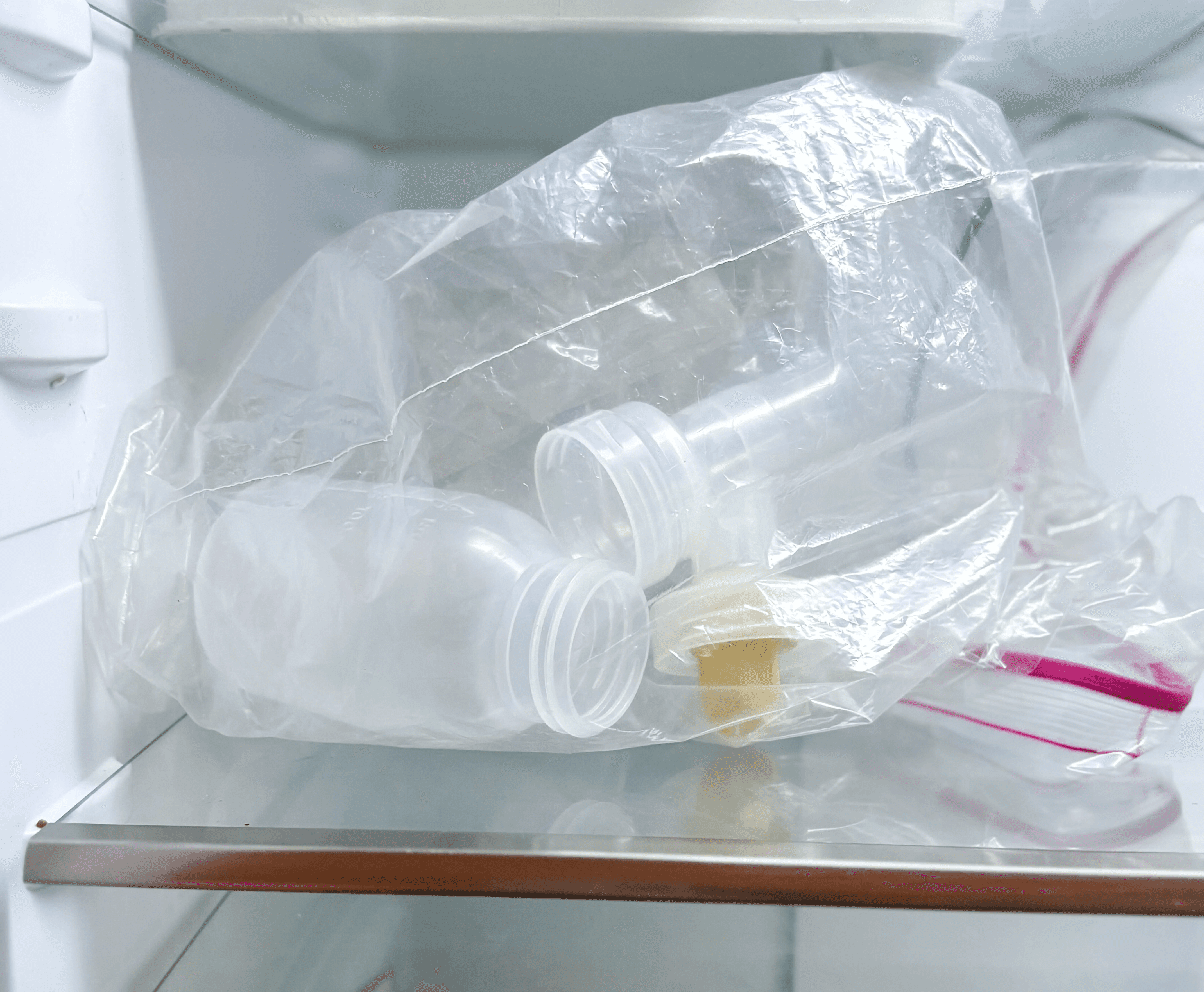
If you’ve spent time in pumping communities, you’ve probably heard of the “fridge hack” — placing used pump parts in the refrigerator between sessions instead of washing them each time.
It’s popular for one simple reason: pumping is a lot.
In the early months, many mothers pump 6–8 times per day. That can mean washing and drying the same set of parts dozens of times each week. When you’re sleep-deprived, recovering, working, and caring for a newborn, the cleanup can feel harder than the pumping itself.
So the fridge hack spreads.
But here’s the important distinction: refrigeration slows bacterial growth — it doesn’t stop it. The CDC recommends washing pump parts after every use because milk residue left on components can allow bacteria to multiply, even in cold temperatures. Storage guidance for breast milk (up to 4 days in the refrigerator at 40°F/4°C) applies to properly collected milk — not to unwashed pump parts.
This isn’t about fear. And it isn’t about shaming moms.
It’s about recognizing what the fridge hack actually signals.
When thousands of women adopt a workaround that bends safety guidance, it tells us something: the current system demands more labor than it should.
Mothers aren’t looking for shortcuts because they don’t care about safety. They’re looking for relief because pumping is relentless.
At Pump For Joy, we believe the solution isn’t guilt — it’s better design.
Innovation in maternal health should reduce friction without increasing risk. It should acknowledge how often women pump and build products that support safe practices while respecting real life. That means rethinking materials. Rethinking convenience. Rethinking how milk collection fits into a working mother’s day.
Pumping is already a commitment. Safe shouldn’t feel exhausting.
The future of pumping isn’t about hacks. It’s about thoughtful solutions — designed for performance, safety, and the realities of modern motherhood.